


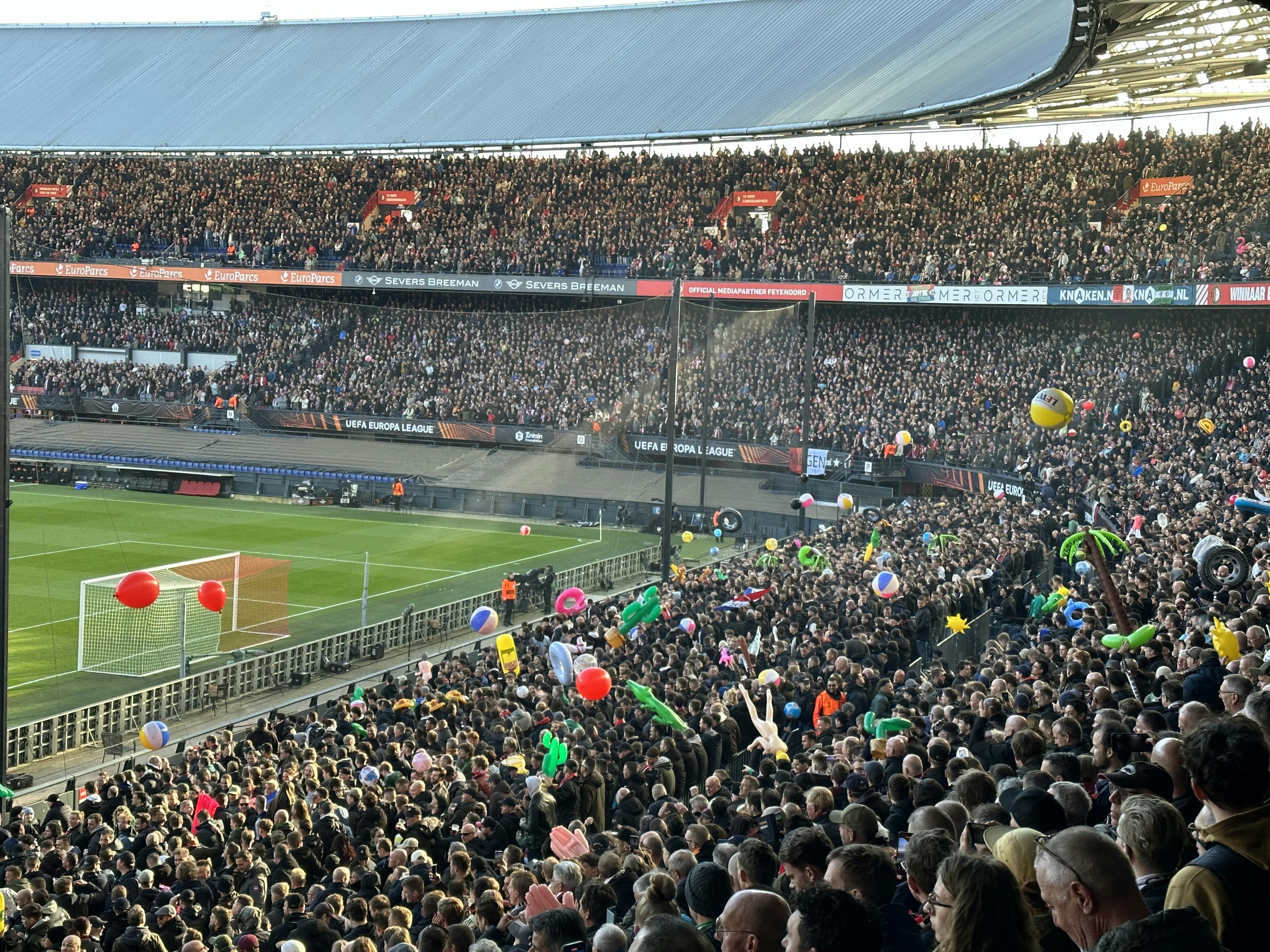

Introduction to the UEFA Nations League
The UEFA Nations League is a biennial international football competition that involves the national teams of Europe. It was founded by the Union of European Football Associations (UEFA) and officially launched in September 2018. The primary goal of this league is to enhance competition among national teams, offering a more structured and meaningful alternative to traditional friendly matches. By introducing the Nations League, UEFA aimed to ensure that each match played holds greater significance for the participating teams, addressing the common criticism that friendly fixtures often lack intensity and competitive spirit.
One of the key motivations behind the creation of the UEFA Nations League was to provide a platform for teams of similar strengths to compete against one another, thereby elevating the standard of international football. The competition is divided into leagues, with promotion and relegation mechanics reminiscent of club leagues. This structure encourages competitiveness as national teams strive to outperform their peers. Additionally, the Nations League has created opportunities for teams to qualify for prestigious tournaments like the UEFA European Championship, introducing an additional layer of importance to the matches played.
The significance of the UEFA Nations League extends beyond just altering the frequency and nature of fixtures; it represents a transformation in how international football is organized in Europe. With its implementation, UEFA sought to address the imbalance in competition by allowing traditionally less dominant teams to experience competitive football against stronger national sides, redefining the landscape of European football. This initiative not only promotes a more engaging viewing experience for fans but also aims to prepare national teams better for major tournaments, ultimately elevating the sport as a whole.
Format and Structure of the League
The UEFA Nations League is structured to enhance international football competition while providing teams with meaningful matches outside major tournaments. The format designates four leagues, designated as A, B, C, and D, wherein teams are allocated based on their UEFA coefficient rankings. League A consists of the highest-ranked teams, progressively moving to League D for the lowest-ranked teams, ensuring a balanced and competitive environment tailored to the level of each national team.
Each league is further divided into groups, typically consisting of four teams apiece. These groups engage in a round-robin format, meaning that each team plays every other team in its group twice, once at home and once away. The outcomes of these matches contribute to the overall standings within the group, with the teams earning points similar to traditional league formats—three points for a win, one point for a draw, and none for a loss.
Promotion and relegation are crucial components of the UEFA Nations League’s framework. At the conclusion of each league phase, the top teams from each group in Leagues B, C, and D are promoted to the league above, while the bottom teams in Leagues A, B, and C are relegated to the league below. This dynamic adds an element of excitement, as teams strive not only to qualify for future tournaments but also to move up the ranks of the Nations League.
The most successful teams from League A will advance to the finals, which consists of a knockout stage to determine the overall champion. The format is designed to reward excellence and competitiveness, ensuring that every match is of significance and contributes to the overall excitement of the tournament, enhancing national pride and engagement with football fans across Europe.
Competition Phases and Key Dates
The UEFA Nations League features a structured format that divides the tournament into distinct phases, ensuring a competitive yet engaging experience for participating teams and their supporters. The competition is primarily divided into two main phases: the group stage and the knockout rounds, culminating in the finals. Understanding these phases is essential for fans who wish to follow their favorite national teams throughout the tournament.
The first phase, the group stage, is where the teams are divided into different leagues based on their UEFA rankings. Each league is further split into groups, usually containing four teams, who compete in a round-robin format. Matches are played both home and away, allowing teams to accumulate points. The group stage typically takes place over several match windows, commencing in September and concluding in November of the same calendar year. This segment is crucial for teams, as their performances will determine their advancement to the knockout stages.
<pfollowing a="" advance="" and="" are="" as="" begin="" by="" compete="" consists="" during="" each="" encounters.="" finals,="" finals.<pthe across="" advance,="" allowing="" and="" announced="" anticipate="" are="" calendar,="" competition.
Impact on International Football
The introduction of the UEFA Nations League has had a profound impact on the landscape of international football. Established in 2018, the league has not only added a competitive dimension to the traditional international fixtures but has also fundamentally altered national team strategies and player selection processes. National football associations now approach the tournament with a heightened sense of urgency and purpose, as the league provides a structured framework for competition that was previously lacking in friendly matches.
One of the most significant changes brought by the UEFA Nations League is the emphasis on performance. Teams are now more likely to prioritize their participation in this league over international friendlies, leading to a greater focus on tactical preparations and match fitness. Coaches have begun to analyze opponents in a more strategic manner, using match data from the Nations League to inform their player selections for crucial qualifying tournaments. This increased scrutiny and preparation can be seen as a direct consequence of the league’s structure, which pits teams against similarly ranked opponents, thus ensuring a competitive atmosphere.
Moreover, the significance of match outcomes in the UEFA Nations League extends beyond mere bragging rights; it plays a pivotal role in determining FIFA rankings and qualification for major tournaments. A successful campaign can enhance a nation’s ranking, providing a more favorable draw in upcoming competitions such as the UEFA European Championship and the FIFA World Cup. Consequently, teams are incentivized to bring their best players to the forefront, fostering an environment where even lesser-known nations can compete against established football powerhouses.
Ultimately, the UEFA Nations League represents a paradigm shift in international football, encouraging teams to invest in their national squads while fostering a competitive spirit that enriches the sport as a whole. The evolution of national team dynamics, driven by the leagues’ structure, continues to shape the present and future of international football.
Notable Moments and Highlights
The UEFA Nations League, since its inception in 2018, has brought forth a plethora of remarkable moments that have captured the attention of football enthusiasts. One of the most thrilling matches occurred during the inaugural season’s semifinals in 2019, where the Netherlands faced England. This match showcased a tense battle that culminated in a 3-1 victory for the Dutch team after extra time, demonstrating their resilience and tactical prowess.
Another outstanding highlight took place in the group stages of the 2020-2021 season when Spain pulled off a remarkable comeback against Germany. Trailing 0-6 at home, Spain managed to claw back with a resounding 6-0 win, which stunned not only the players but fans and analysts alike. This match is frequently cited as one of the significant upsets that defined the competition, shaking the confidence of the German squad and showcasing Spain’s revival under pressure.
In addition to the thrilling matches, standout individual performances have also marked the tournament. An exemplary display was delivered by Cristiano Ronaldo in the 2020-2021 season, where he secured a hat-trick against Sweden, propelling Portugal to an impressive victory.His unparalleled skill and leadership on the field exemplified why he remains a pivotal figure in international football.
Throughout its short history, the UEFA Nations League has consistently provided football fans with unforgettable moments. From stunning comebacks to exceptional individual achievements, it has successfully carved its niche in the world of competitive football, offering a fresh perspective on national team rivalries and providing a stage for emerging talents. As the competition continues to evolve, it is sure to produce even more captivating matches and big moments that fans will cherish for years to come.
Comparing UEFA Nations League to Other Competitions
The UEFA Nations League has emerged as a significant tournament within the landscape of international football, standing alongside established competitions like the UEFA European Championship and the FIFA World Cup. Each of these tournaments serves a unique purpose and functions within different frameworks, influencing how national teams prepare and compete on an international stage.
Firstly, the format of the UEFA Nations League differs markedly from that of the UEFA European Championship and FIFA World Cup. The Nations League operates on a league-system format, featuring a series of group stages followed by promotion and relegation among various tiers. This contrasts with the knockout format of the European Championship and World Cup, which culminate in a final showdown. The league-style format allows for more frequent competitive matches among European teams, fostering a spirit of rivalry and reducing the long gaps between major international tournaments.
In terms of significance, the UEFA Nations League provides an alternative pathway for teams to qualify for major tournaments, effectively raising the competitive stakes within Europe. National teams can earn a chance to compete in the playoff matches for the European Championship, thereby increasing the tournament’s overall importance. Conversely, the FIFA World Cup and UEFA European Championship are regarded as the pinnacles of international football, prized for their global audience and history. They showcase the world’s best players and teams, drawing immense attention and resources.
The Nations League thus occupies a distinct space in the international football hierarchy. It not only complements traditional tournaments but also enhances the football landscape by creating additional competitive fixtures for national teams. This integration of the UEFA Nations League with other competitions underscores a holistic approach to international football, aiming to elevate the standard of play and create more engaging matches for fans worldwide.
Fan Engagement and Popularity
The UEFA Nations League has emerged as a significant entity in the football landscape since its inception in 2018. Its design, which aims to replace international friendlies with more competitive fixtures, has resonated with fans across Europe and beyond. The engagement of football enthusiasts with the league can be assessed through various metrics, including attendance figures, television viewership, and the influence of social media.
Attendance at matches has shown a promising trend, particularly during key fixtures involving national teams with passionate followings. For instance, the final matches and pivotal encounters within the league have attracted large crowds, demonstrating that fans are keenly interested in this competition. Clubs and national federations have noted this increased interest, as it translates not only to filled stadiums but also to a vibrant matchday atmosphere, which enhances the overall experience for spectators.
In terms of television viewership, the UEFA Nations League has recorded impressive ratings, particularly during its knockout stages. Broadcasting rights for the competition have been sold to numerous networks worldwide, allowing fans to tune in regardless of their location. These viewership figures highlight the league’s growing popularity, as more fans opt to watch competitive international football rather than less engaging friendly matches. The influx of viewership has fueled discussions among stakeholders about the league’s potential for future expansion and enhancement.
Furthermore, social media platforms have played a crucial role in promoting the UEFA Nations League. Engaging content, real-time match updates, and fan interactions create a vibrant online community that fosters a deeper connection to teams and players. Clubs and the UEFA itself have leveraged platforms like Twitter, Instagram, and Facebook to engage fans, share highlights, and build anticipation for upcoming matches. This digital engagement has further cemented the league’s position as a staple in the football calendar.
Future of the UEFA Nations League
The UEFA Nations League has already made a significant impact on the landscape of European football since its inception in 2018. Its innovative format has provided a competitive alternative to traditional friendlies and allowed smaller nations a platform to compete more earnestly against their more dominant counterparts. As we look to the future, several potential changes and developments may shape the path of the Nations League.
One possibility involves alterations to the tournament format. As teams gain experience and understanding of these competitive fixtures, UEFA may consider expanding the league to enhance participation. This could involve increasing the number of available promotion and relegation spots or potentially incorporating more teams into the league structure, fostering even greater competition. Additionally, the scheduling of matches could see adjustments to maximize fan engagement, possibly aligning fixtures with major European club competitions to ensure they capture the attention of football enthusiasts worldwide.
Another critical aspect is the role of the UEFA Nations League within the broader framework of international competitions. The tournament has provided teams with an additional pathway for qualification to major events such as the FIFA World Cup and UEFA European Championship. This dual purpose might lead to further strategic changes in how national teams prioritize their preparation and player selection for these fixtures. As football continues to grow in popularity, the Nations League may increasingly be viewed as an important element in a nation’s footballing strategy, compelling teams to invest more in their performance.
Furthermore, the emergence of technology and data analytics in sports could also revolutionize how teams approach the Nations League. Coaches and performance analysts will likely leverage sophisticated data to refine tactics, player fitness, and opposition analysis, enhancing the quality of the competition. As these trends continue to evolve, the UEFA Nations League is poised to adapt and flourish in the ever-changing world of football.
Conclusion: The Legacy of the UEFA Nations League
The UEFA Nations League has emerged as a pivotal innovation in international football since its inception. By providing a competitive structure for national teams, it has not only revitalized friendly matches but has also enhanced national pride and rivalry. With its unique format encompassing promotion, relegation, and the opportunity to compete for silverware, the league has introduced a dynamic element to international play that was previously absent in traditional friendlies.
Throughout this blog post, we have explored its characteristics, including the tiered structure that allows for heightened competition among teams of varying skill levels. The introduction of the Nations League inspired national federations to invest more in their teams, leading to improved performances and the potential for more thrilling matches. Furthermore, the league has created a platform for nations that may have previously been overshadowed by traditional football powerhouses, enabling smaller teams to showcase their talent on a bigger stage.
As we reflect on the legacy of the UEFA Nations League, it is important to recognize its significant role in promoting the growth and development of football across Europe. The league continues to evolve, adapting to the changing landscape of the sport, and offering new challenges for national teams. The emphasis on competitiveness and spirited gameplay has piqued the interest of fans and reinforced the importance of international fixtures.
In conclusion, the UEFA Nations League stands as a testament to football’s adaptability and its enduring appeal. While continuing to build its legacy, the league enhances the international football experience, ensuring that it remains an essential component of the sport’s fabric. As it progresses, we can anticipate further developments that will shape the future of international competitions.
